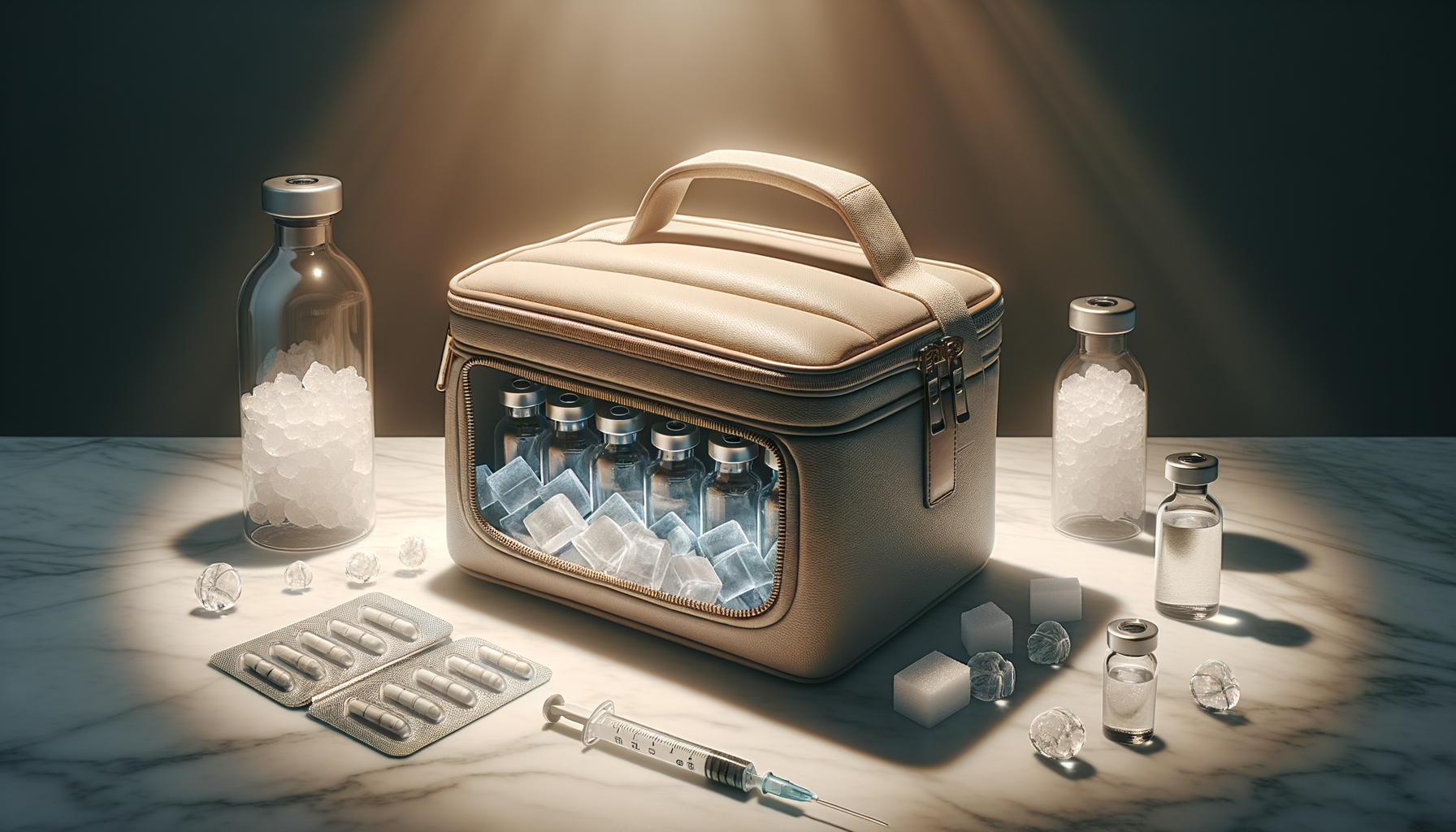
Why Proper Peptide Transport Matters More Than You Think
You've invested time, money, and careful research into your peptide protocols — the last thing you want is to arrive at your destination with degraded, compromised compounds. Research-grade peptides are biologically active molecules that are inherently sensitive to heat, light, agitation, and moisture. Without the right precautions, a weekend trip or international flight can quietly destroy weeks of research preparation.
This guide covers everything a responsible researcher needs to know about traveling with peptides: from cold chain fundamentals to practical packing strategies and important legal considerations.
Understanding Peptide Stability: The Science Behind Sensitivity
Before diving into logistics, it helps to understand why peptides are so vulnerable during transport. Most research peptides consist of short amino acid chains held together by peptide bonds. These bonds — and the peptide's three-dimensional structure — can be disrupted by thermal stress, oxidation, UV exposure, and repeated freeze-thaw cycles.
Lyophilized vs. Reconstituted Peptides
The form your peptide is in dramatically affects how you should transport it.
- Lyophilized (freeze-dried) peptides are significantly more stable and are the preferred format for travel. Stored in a cool, dark environment away from moisture, lyophilized peptides can tolerate short periods at room temperature far better than their reconstituted counterparts.
- Reconstituted peptides (already dissolved in bacteriostatic water or acetic acid) are considerably more fragile. Once in solution, peptides are actively susceptible to bacterial growth, hydrolysis, and thermal degradation. These require strict refrigeration at 2–8°C and should be used within the recommended window.
Research suggestion: whenever possible, transport lyophilized peptides and reconstitute only at your destination. This single decision removes the majority of transport-related degradation risk.
The Cold Chain: Maintaining Proper Temperature During Travel
Maintaining the cold chain — the unbroken sequence of temperature-controlled handling — is the cornerstone of peptide transport. For most research peptides, the target range is 2–8°C during short-term storage and transport. Long-term storage typically calls for -20°C or colder.
Best Practices for Cold Chain Travel
- Use a dedicated insulated cooler bag designed for medical or laboratory samples. These bags are engineered to hold stable temperatures for 24–48 hours with proper ice packs.
- Use gel ice packs, not loose ice. Loose ice creates moisture as it melts, which can compromise seals, labels, and even penetrate poorly sealed vials. Gel packs maintain a stable temperature longer and don't produce liquid water.
- Pre-chill your cooler bag before packing. Place ice packs inside at least one hour before loading your peptide vials to bring the interior temperature down to the target range.
- Avoid placing vials directly against ice packs. Wrap vials in a soft cloth or place them in a secondary container to prevent freezing, which constitutes an additional freeze-thaw cycle for reconstituted peptides.
- Monitor temperature with a small digital thermometer or a disposable temperature indicator strip placed inside the bag. These are inexpensive and provide peace of mind for longer journeys.
Air Travel with Research Peptides: What You Need to Know
Flying introduces unique challenges: TSA screening, cabin pressure changes, and the unpredictability of layovers. Here is a structured approach to navigating air travel with research peptides.
Carry-On vs. Checked Luggage
Always transport peptides in your carry-on bag. Checked luggage is stored in the cargo hold, where temperatures can drop well below freezing or spike unpredictably during tarmac delays in hot climates. You also lose physical custody of your samples, increasing the risk of rough handling, loss, or extended delays.
TSA Liquids Rule and Reconstituted Peptides
Reconstituted peptides in solution fall under TSA\'s liquids rule. Vials larger than 3.4 oz (100 ml) are not permitted through standard security checkpoints. Most research peptide vials contain 2–10 ml, which typically falls within limits — but always verify volume. If you are carrying medical liquids in larger quantities, the TSA does provide exemptions, though this requires additional screening and documentation.
Documentation Best Practices
- Keep all peptide vials in their original labeled packaging where possible.
- Carry printed documentation such as a Certificate of Analysis (COA) or purchase receipts from your supplier.
- Be prepared to explain that the items are research compounds if questioned by security personnel.
- If traveling internationally, research the regulations in your destination country. Import rules for research compounds vary significantly and non-compliance can result in confiscation.
Protecting Peptides from Light, Moisture, and Agitation
Temperature is the most discussed variable, but three other environmental factors deserve attention during transport.
UV and Light Exposure
Many peptides are light-sensitive, particularly those containing tryptophan residues or those prone to photo-oxidation. Store vials in amber glass containers where possible, and keep your cooler bag zipped and away from direct sunlight during layovers or ground transportation.
Moisture and Humidity
Lyophilized peptides are especially vulnerable to ambient moisture, which can trigger premature reconstitution or hydrolysis within the vial. Place a small silica gel desiccant packet inside your cooler bag alongside your vials to absorb any residual humidity.
Physical Agitation
Excessive shaking or mechanical stress can disrupt peptide structure, particularly in solution. Pack vials snugly in padded foam or wrapped in soft material to prevent rattling and movement. Avoid the temptation to shake vials to mix them — always use gentle rolling or inversion.
Quick-Reference Transport Checklist
- Insulated cooler bag with pre-chilled gel ice packs
- Vials wrapped individually to prevent direct ice contact and agitation
- Small digital thermometer or temperature indicator strip
- Silica gel desiccant packets for moisture control
- Amber vials or UV-protective bags for light-sensitive peptides
- Certificate of Analysis and purchase documentation
- Research destination country regulations before international travel
- Transport lyophilized peptides wherever possible; reconstitute on arrival
Arrival and Reconstitution After Travel
Once you reach your destination, allow any peptides that experienced temperature fluctuation to equilibrate slowly to refrigerator temperature before opening or reconstituting. Avoid moving directly from a cold pack to room-temperature reconstitution without a brief equilibration window. After reconstitution, store immediately in a refrigerator at 2–8°C and label clearly with the reconstitution date and concentration.
If you suspect any vials have been compromised — cloudy solution, unusual particulates, or unexplained color changes — do not proceed with research use. Reach out to your supplier for guidance. Products
Disclaimer: All peptides sold by Maxx Laboratories are intended strictly for in vitro research and laboratory use only. They are not intended for human or veterinary consumption, and are not for use in any clinical, diagnostic, or therapeutic application. Always consult a qualified professional before handling research compounds. Maxx Laboratories makes no health claims regarding any of its research products.